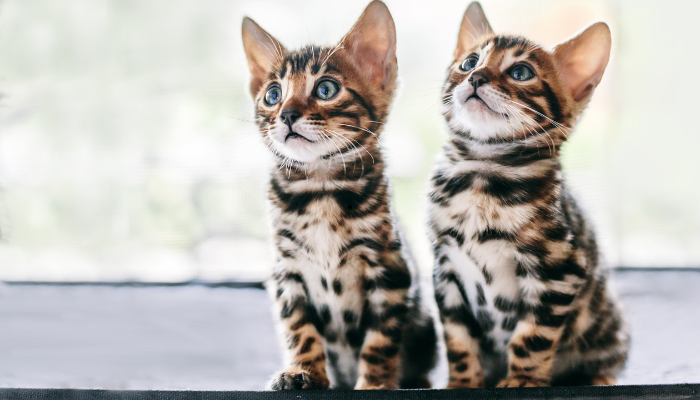

When you first encounter a Bengal Katt, the experience can be quite striking. These remarkable felines possess a distinctive appearance that immediately sets them apart from conventional domestic cats. With their sleek, muscular frames and stunningly patterned coats, Bengal Katts have captivated cat lovers across the globe for decades now.
The Bengal Katt represents one of the most fascinating developments in modern feline breeding. These cats result from crossing domestic cats with Asian Leopard Cats, creating an animal that carries wild beauty alongside domesticated temperament. This unique combination has made them increasingly popular among individuals seeking something truly extraordinary in their homes.
The journey of the Bengal Katt began in the 1960s when dedicated breeders started experimenting with crossbreeding. The goal was clear and ambitious: create a domestic cat with the striking appearance of a wild leopard while maintaining the gentle nature of a house pet. Today, Bengal Katts have become celebrated members of the feline world, recognized by major cat associations and cherished by thousands of families.
The Fascinating History Behind Bengal Katt Development
The story of Bengal Katt development is one of patience, passion, and careful genetic planning. It all started when Jean Sugden Mill, a pioneering cat breeder, decided to cross a female Asian Leopard Cat with a male domestic cat. Her vision was revolutionary for the time, and many people doubted whether such an experiment could succeed.
The early generations posed significant challenges. The first cross, known as the F1 generation, resulted in cats that retained much of their wild instinct. These early Bengal Katts weren’t always reliable as pets, and breeders quickly realized that creating a truly domestic Bengal required multiple generations of selective breeding. The F2 and F3 generations gradually showed more predictable temperament and friendlier dispositions.
By the 1980s and 1990s, Bengal Katts began gaining recognition within cat fancy circles. Their unique characteristics were undeniable, and breeders around the world started developing their own lines. Different breeding programs introduced various patterns and colors, contributing to the diversity we see in Bengal Katts today. This careful, methodical approach to breeding helped establish the Bengal Katt as a legitimate and stable breed rather than a mere novelty.
Understanding Bengal Katt Physical Characteristics
Bengal Katts possess physical traits that immediately capture attention. Their bodies are notably muscular and athletic, reflecting their wild heritage. These cats typically weigh between 8 to 15 pounds, with males generally being larger than females. Despite their substantial size, Bengal Katts maintain an elegant and graceful appearance.
The coat pattern represents perhaps the most recognizable feature. Spotted Bengal Katts display distinct rosettes or spots covering their bodies, while marbled varieties feature swirling patterns reminiscent of marble stone. The contrast between their base color and pattern is typically dramatic, creating a striking visual effect that never fails to impress.
Color variations in Bengal Katts are quite diverse. Brown or seal patterns remain the most common, but breeders have also developed silver, snow, and charcoal Bengal Katts. Each color variation brings its own unique beauty to the breed. Their sleek coats require minimal grooming compared to long-haired varieties, making maintenance relatively straightforward for owners.
The head of a Bengal Katt is proportionally smaller than their body, featuring alert, large ears that contribute to their wild appearance. Their eyes are typically large and round, conveying intelligence and curiosity. These physical attributes work together to create the distinctive “wild cat” look that makes Bengal Katts so visually compelling.
Bengal Katt Temperament and Personality Traits
Many people assume that Bengal Katts retain wild, unpredictable temperaments because of their Asian Leopard Cat ancestry. In reality, Bengal Katts that have been properly bred and socialized demonstrate remarkably affectionate and playful personalities. They bond deeply with their families and often form particularly strong attachments to their primary caregivers.
Bengal Katts are exceptionally intelligent animals. They learn commands more readily than many domestic cat breeds and often enjoy interactive play and puzzle toys. Their minds require constant stimulation, and owners should be prepared to provide engaging activities throughout the day. Without adequate mental enrichment, Bengal Katts can become bored and potentially destructive.
Energy levels in Bengal Katts are notably high. These cats love to play, climb, and explore their environments. They often enjoy following their owners around the house and may even learn to walk on leashes, surprising first-time Bengal Katt owners. This combination of intelligence and energy makes them excellent companions for active households but potentially challenging for sedentary individuals.
Socialization plays a crucial role in developing a well-adjusted Bengal Katt. Kittens that experience positive interactions with humans, other cats, and various environments during their early weeks develop into confident, friendly adults. Bengal Katts that have been properly socialized typically interact well with family members, including children, though supervision is always recommended during interactions between cats and young children.
Health Considerations for Bengal Katt Owners
Bengal Katts generally enjoy robust health, particularly when obtained from reputable breeders who conduct appropriate genetic testing. However, like all cat breeds, they’re susceptible to certain health conditions that potential owners should understand. Being informed helps you make better decisions about preventative care and early detection.
Hypertrophic cardiomyopathy, a condition affecting the heart muscle, has appeared in some Bengal Katt lines. Responsible breeders test breeding cats for this condition using ultrasound, significantly reducing the risk in offspring. When acquiring a Bengal Katt, ask breeders about their health screening protocols and request documentation of testing results.
Bengal Katts may also develop patellar luxation, where the kneecap temporarily dislocates. This condition ranges from minor to serious, depending on severity. Regular veterinary examinations help identify any developing joint issues early. Maintaining a healthy weight through appropriate diet and exercise significantly reduces the stress on joints.
Another consideration involves Bengal Katt sensitivity to certain anesthetics and vaccines. Some Bengal Katts have experienced adverse reactions to particular medications. Always inform your veterinarian about your cat’s Bengal Katt heritage, allowing them to select appropriate medications and adjust dosages accordingly. This simple step can make a significant difference in your cat’s safety during medical procedures.
Preventative care remains crucial for Bengal Katts. Regular veterinary checkups, appropriate vaccinations, dental care, and parasite prevention contribute substantially to long and healthy lives. Most Bengal Katts live between 12 to 16 years when provided with proper care, though some live even longer.
Creating the Ideal Environment for Bengal Katts
Bengal Katts thrive in environments that accommodate their natural inclinations for climbing, jumping, and exploration. Unlike some indoor cats that adapt well to small spaces, Bengal Katts need room to express their athletic nature. Providing vertical space through cat trees, wall-mounted shelves, and climbing structures becomes almost essential for their well-being.
Interactive enrichment represents another critical environmental component. Puzzle feeders, toys that simulate hunting behaviors, and games that engage their problem-solving abilities keep Bengal Katts mentally stimulated. Many Bengal Katt owners find that dedicating time to play sessions, even just 15 to 20 minutes daily, significantly impacts their cat’s behavior and contentment.
Window perches appeal greatly to Bengal Katts, who enjoy watching outdoor activity. A safe window seat provides hours of entertainment and mental stimulation. Some owners even install window bird feeders specifically to give their Bengal Katts something engaging to observe.
Bengal Katts generally adapt well to living with other pets when properly introduced, though their prey drive means small animals like rodents or birds require careful management. Introductions between Bengal Katts and other cats should happen gradually, allowing them to become accustomed to each other’s presence before direct interaction.
Access to the outdoors poses complex considerations for Bengal Katt owners. Some people provide supervised outdoor time through catios or leash training, while others maintain fully indoor cats. Each approach has merits and challenges, and the decision depends on individual circumstances and comfort levels.
Breeding Standards and Selecting Quality Bengal Katts
Understanding Bengal Katt breeding standards helps potential buyers identify quality kittens from reputable sources. Major cat associations like The International Cat Association maintain detailed breed standards that address everything from coat patterns to body structure and temperament traits.
Registered Bengal Katts must be at least four generations removed from their Asian Leopard Cat ancestors. This requirement ensures that Bengal Katts are genuinely domestic animals with predictable, safe temperaments. Breeders use precise designations like F4 or later to indicate how many generations separate their cats from that original wild ancestor.
Selecting a Bengal Katt kitten from a responsible breeder significantly improves your chances of obtaining a healthy, well-adjusted cat. Quality breeders perform genetic testing, provide health guarantees, and offer ongoing support throughout the cat’s life. They typically screen potential buyers carefully, asking questions about their living situations and expectations.
Coat pattern and color should be secondary considerations compared to health and temperament. While a spectacular coat appeals aesthetically, a healthy Bengal Katt with a good nature will bring far more joy to your life than a strikingly beautiful cat with behavioral or health problems. Good breeders prioritize health and temperament while working toward breed standard appearance.
The Growing Popularity and Future of Bengal Katts
Bengal Katts have experienced remarkable growth in popularity over recent years. What was once a relatively rare and exotic breed has become increasingly accessible to cat enthusiasts worldwide. This popularity reflects genuine appreciation for their unique combination of wild beauty and domestic affection.
Social media has amplified Bengal Katt visibility considerably. Instagram accounts dedicated to Bengal Katts showcase their striking appearance and playful antics to millions of followers. This exposure has introduced the breed to people who might never have encountered Bengal Katts otherwise, contributing to their rising popularity.
The future of Bengal Katts looks promising, with breeders continuing to refine the breed while maintaining health and temperament as priorities. Ongoing research into genetic health screening and breeding practices contributes to increasingly robust Bengal Katt populations. As awareness grows about proper Bengal Katt care requirements, the breed attracts more informed and prepared owners.
Ethical breeding practices continue to become more standardized within the Bengal Katt community. Organizations and breed clubs work toward establishing guidelines that prioritize animal welfare alongside aesthetic goals. This evolution reflects a maturing breed that’s becoming increasingly established and respected within the broader cat fancy.
Conclusion: Is a Bengal Katt Right for You?
Bengal Katts offer something truly special to the right families. Their combination of wild beauty, intelligence, and affection creates a unique feline experience unlike ownership of conventional domestic cats. However, they require specific care, adequate space, and committed owners who understand their particular needs.
Before acquiring a Bengal Katt, honestly assess whether your lifestyle can accommodate their high energy levels and mental stimulation requirements. These cats thrive with interactive owners who enjoy playtime and engagement. If you appreciate a more independent cat that’s content to lounge most of the day, a Bengal Katt might prove frustrating.
The investment in acquiring a Bengal Katt from a quality breeder is substantial, and the ongoing care requirements are more demanding than average cats. However, for those willing to meet these requirements, the reward is a remarkable companion that brings joy, entertainment, and beauty into their homes. A Bengal Katt becomes part of your family’s story, creating memories and moments that last throughout their long, healthy lives.
See also: click here